The Rise of AI Digital Assets: A New Path to Passive Income
I have been building websites for over a decade, and I have seen the landscape shift more times than I can count. The latest shift, however, feels different. It is not just about a new algorithm update or a fresh social platform. It is about the emergence of something I have come to call "ai digital assets" - a category of online property that is fundamentally changing how people approach affiliate websites and passive income.
Let me explain what I mean by that. For years, the standard playbook for creating an affiliate site was straightforward: pick a niche, write product reviews, build backlinks, and wait for the SERP to reward you. It worked, but it demanded a lot of time and a certain level of technical skills. You had to know how to do keyword research, manage website automation, and understand SEO on a deep level. And even then, success was not guaranteed. You needed patience, persistence, and often a bit of luck.
Then came tools like ChatGPT and Midjourney. Suddenly, content generation became faster and cheaper. I remember the first time I used a large language model to draft a product roundup. It took me ten minutes instead of three hours. But the real insight was not just speed. It was the ability to create a portfolio of digital real estate that could generate traffic without requiring me to be a full-time writer or a celebrity with influencer status.
That is the core idea behind ai digital assets. These are not just websites. They are automated, AI-powered systems that produce and optimize content for niche markets. They run on a foundation of solid keyword research and are tuned to the signals that Google Search Console and Ahrefs reveal. They are designed to rank for long-tail keywords, capture organic traffic, and monetize that traffic through affiliate offers. And they do it on autopilot, or close to it.
Why This Changes the Game for Affiliate Marketers
The traditional barrier to entry in affiliate marketing was always the upfront work. You had to write dozens of articles, build Domain Authority, and earn backlinks from other sites. It was a grind. Many people gave up after a few months because they did not see results. But with AI handling the heavy lifting of content generation and basic website automation, the bar drops significantly. You no longer need deep technical skills or a personal brand. You just need a solid strategy and the willingness to set up the machine.
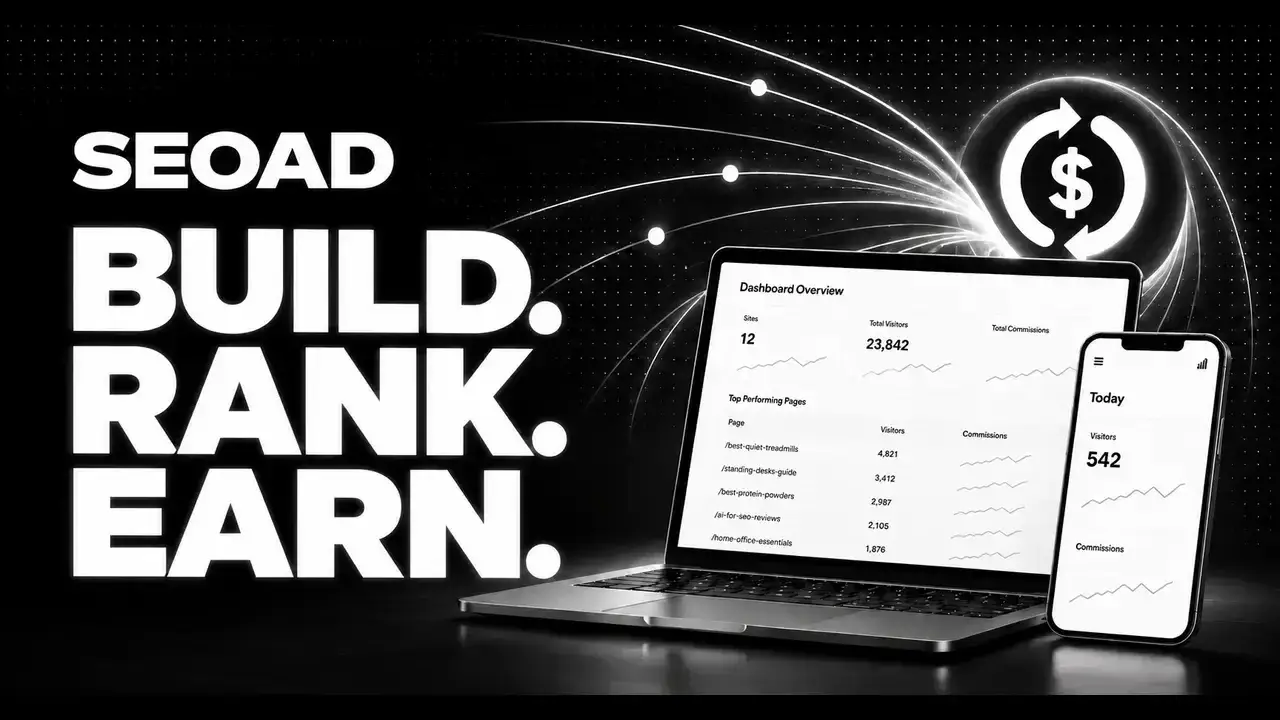
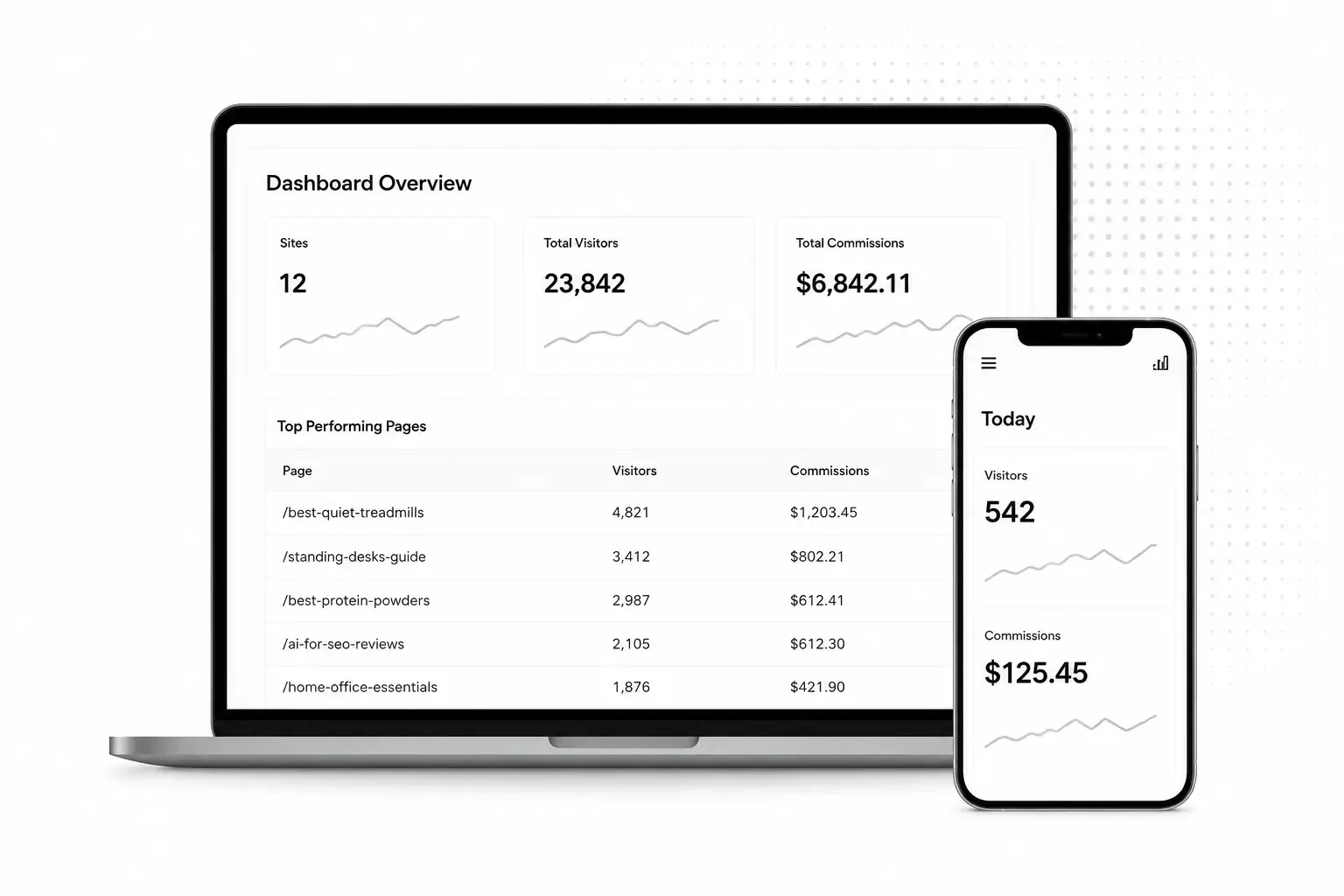
I have seen this play out in practice. A friend of mine started a site in a small niche - let us say it was about ergonomic office chairs. He used an AI assistant to generate detailed buying guides, comparison tables, and how-to articles. He focused his keyword research on terms like "best chair for lower back pain" and "affordable standing desk converters." Within six months, his site was ranking on the first page of Google for several long-tail keywords. Traffic came in. Commissions followed. He was earning passive income while working his day job.
That is the promise of ai digital assets. They are not get-rich-quick schemes. They require upfront setup and ongoing tweaks. But the leverage is real. One person can now manage multiple affiliate websites in different niches, each one running on a schedule of automated content updates and SEO optimizations. It is a form of digital real estate that compounds over time.
What Makes an Effective AI Digital Asset?
Not every AI-generated site succeeds. I have seen plenty fail because they ignored the fundamentals. Here are a few things I have learned from both my own experiments and observing others:
- Quality over volume: AI can pump out thousands of words, but if the content is shallow or repetitive, Google will not reward it. You need to guide the AI with clear briefs and edit the output. Treat it like a junior writer, not a finished product.
- Smart keyword research: Use tools like Ahrefs or Google Search Console to find gaps in the SERP. Look for topics where existing pages are weak or outdated. That is where your asset can win.
- Niche selection matters: Broad niches are too competitive for a new site. Focus on sub-niches with clear buyer intent. Think "best noise-canceling headphones for commuting" rather than just "headphones."
- Build trust signals: Backlinks and Domain Authority still matter. AI can help with content, but you still need to earn links from real sites. Guest posting, broken link building, and outreach remain part of the process.
I have also found that the best ai digital assets are those that combine automated content with human oversight. The AI handles the first draft, but you add your own experience, photos, or video clips. That mix creates a site that feels authentic and useful, which is exactly what Google wants.
Practical Steps to Start Building
If you are interested in creating your own ai digital assets, here is a rough roadmap based on what has worked for me:
- Pick a niche you know something about or are willing to research. Passion helps, but data matters more. Use keyword research to confirm there is search volume and affiliate programs.
- Set up a simple website with a clean theme. Website automation tools can handle hosting, backups, and basic updates. Do not overcomplicate the design.
- Use ChatGPT or a similar tool to draft 20-30 articles targeting long-tail keywords. Focus on informational content first - guides, tutorials, best-of lists. Save the product reviews for later.
- Submit your sitemap to Google Search Console. Monitor which pages get impressions and clicks. Double down on topics that show traction.
- Build a few backlinks each month. Even five quality links from relevant sites can boost your Domain Authority significantly.
- Monetize with affiliate links where they fit naturally. Do not stuff them. Traffic monetization works best when the reader trusts your recommendation.
One thing I want to emphasize: this is not about replacing human creativity. It is about amplifying it. The AI handles the repetitive parts so you can focus on strategy, editing, and relationship building. That is the sustainable model.
The Risks and Realities
I would be lying if I said every ai digital asset I built succeeded. Some flopped. I launched a site in a niche that turned out to be too small, with barely enough search volume to justify the effort. Another site got hit by a Google update because my content was too thin. I learned from both failures. The first taught me to do deeper keyword research upfront. The second taught me to always add unique value, even when using AI.
There is also the risk of over-reliance on automation. If you set everything on autopilot and never check the site, performance will slide. Google rewards sites that are actively maintained. You need to refresh old content, fix broken links, and keep an eye on the SERP landscape. That is not hard, but it is required.
Another reality: building backlinks is still a manual skill. No AI tool can replace the relationship building needed to earn a link from a high-Domain-Authority site. But you can use AI to help with outreach emails or to identify link opportunities. The human touch remains key.

Final Thoughts
I have been doing this long enough to know that every gold rush eventually settles into a steady industry. The early days of AI in affiliate marketing are already giving way to a more mature phase. The winners will be the people who treat ai digital assets as long-term investments, not shortcuts. They will combine the best of automation with genuine expertise in their niche.
If you are starting now, you have an advantage. The tools are better than ever, and the playbook is clearer. You do not need influencer status or deep technical skills. You need a willingness to learn, a bit of patience, and the discipline to keep refining your process. That is how you build digital real estate that pays you month after month.